
G.A. Peterson, D.G. Westfall,, L.Sherrod, D. Poss, K. Larson, D.L. Thompson, & L.R. Ahuja, 1998
A Cooperative Project between Colorado State University and the USDA – Agriculture Research Service
Sustainable Dryland Agroecosystem Management: Better Dryland Crop Rotations
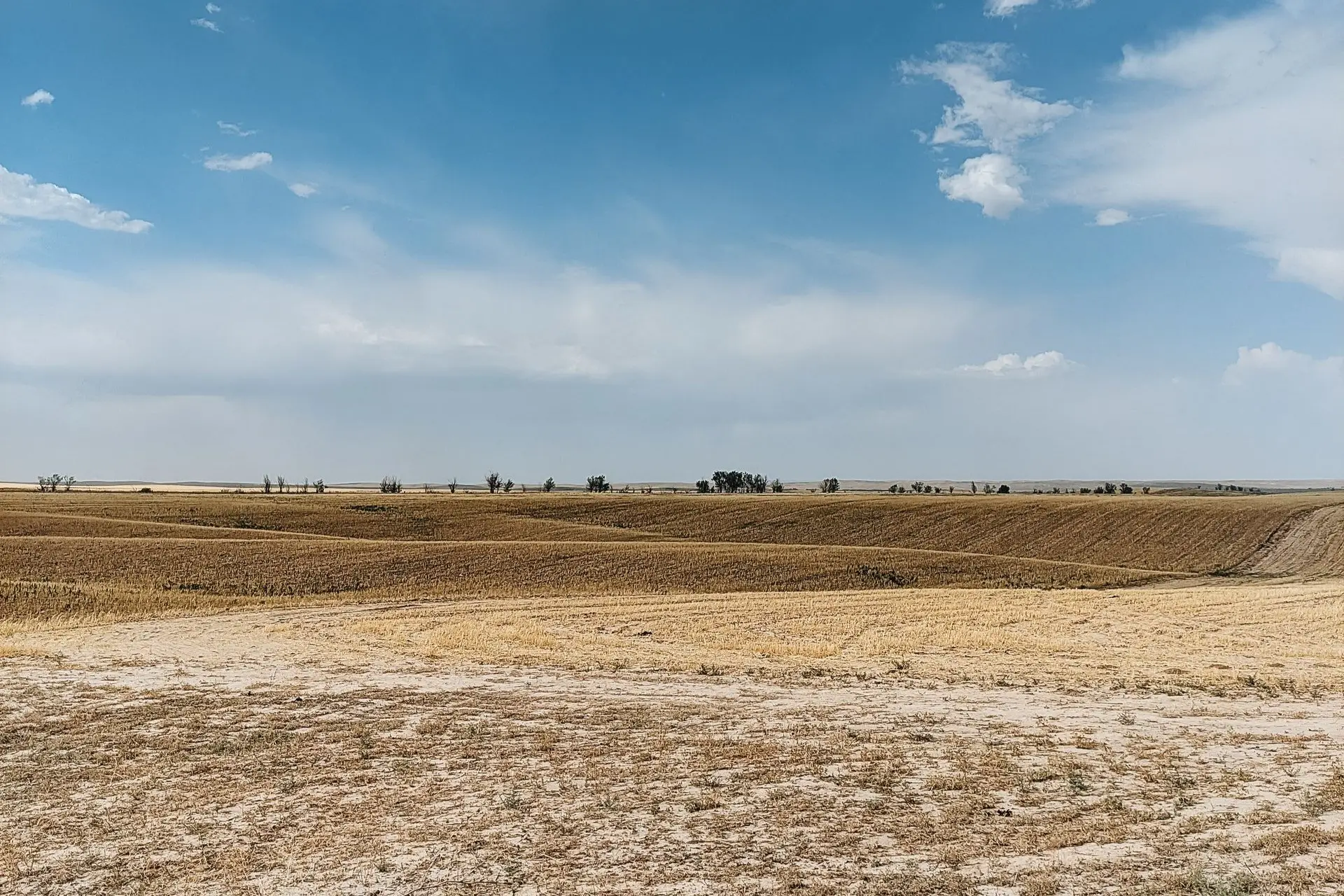
For generations, the standard playbook for dryland farming relied on a simple two-year wheat-fallow cycle. The goal was basic: give the ground a year off to store water. However, leaving your soil bare and exposed actually hurts your soil structure. It also leaves money on the table.
This 12-year research project from Colorado State University and the USDA-ARS proves that active, no-till crop rotations work much better. The cooperative study, called Sustainable Dryland Agroecosystem Management, offers concrete proof that smarter rotations build better soil and protect your bottom line. By swapping long fallow periods for active summer crops, you can convert stored moisture directly into cash.
📖 Download the Full Presentation
Looking to see the exact charts for water storage, nitrogen rates, and residue levels? Download the unedited report to build better ranch management practices on your own acres.
Download the full Sustainable Dryland Agroecosystem Management PDF here
